Social skills are the connective tissue of daily life—helping children form friendships, collaborate in school, and communicate their needs. For many children on the autism spectrum, these skills do not https://behavioral-therapy-wins-child-centered-journey-series.theburnward.com/bcba-certified-therapist-search-in-endicott-where-and-how emerge naturally and require explicit teaching. Applied Behavior Analysis (ABA) therapy offers a structured, data-informed way to develop social competence by breaking complex skills into teachable steps, reinforcing success, and tailoring supports to each child’s profile. The result is not only improved behavior but also meaningful progress toward independence, confidence, and community participation.
ABA is often misunderstood as rigid or overly clinical. In practice, high-quality ABA is flexible, compassionate, and focused on real-life goals. Therapists collaborate with families, educators, and the child to prioritize objectives such as turn-taking, perspective-taking, conversational reciprocity, and self-advocacy—then build these goals into daily routines where they matter most.
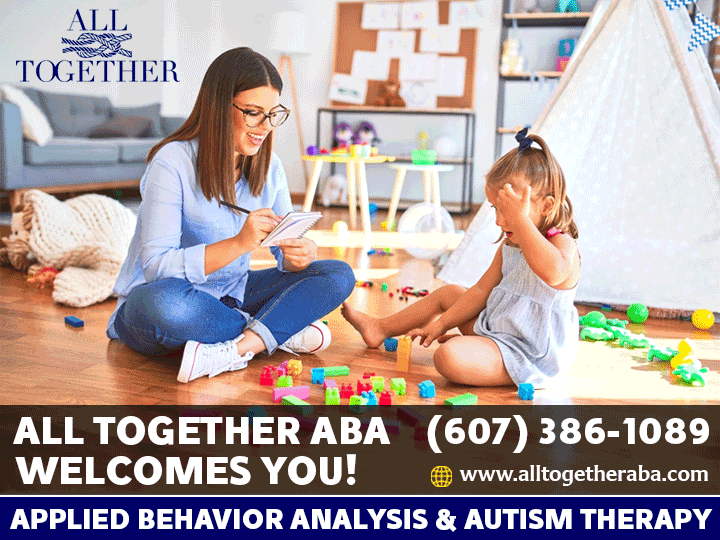
Below, we connect the dots between core ABA methods and the social outcomes families care about, highlighting real-life ABA examples, parent experiences, and autism therapy results that speak to lasting change.
The building blocks of social skills in ABA

- Task analysis and chaining: Social interactions are sequences—greeting, asking a question, listening, responding, and closing out. ABA breaks these into steps (task analysis) and teaches them systematically (chaining). A child might first learn to make eye contact and say “Hi, Maya,” then add a follow-up question, then learn to notice cues that it’s time to wrap up. Modeling and role-play: Therapists model skills, then practice them through pretend play and structured scenarios, gradually moving to natural settings like playgrounds or birthday parties. Video modeling can be especially powerful for perspective-taking and emotion recognition. Prompting and fading: Prompts help children succeed early, from visual cue cards to gentle verbal hints. Over time, prompts fade, and reinforcement shifts from tangible rewards to natural social reinforcement—smiles, shared laughter, and peer approval. Natural environment teaching (NET): Skills are taught where they’re used—at home, school, or community spaces—so social gains generalize beyond the therapy room. Data-driven decisions: Progress is tracked, so teams can adjust targets, supports, and environments. If a child stalls at turn-taking, the team might simplify the game, change the motivator, or teach a prerequisite skill (e.g., waiting).
Real-life ABA examples: From practice to playground
- The greeting bridge: A seven-year-old who often looked away or ran past peers learned a simple “greeting bridge”—wave, say name, wait. At first, he received a sticker after successful greetings. Within weeks, he began initiating greetings to access a preferred game with classmates. The reinforcement shifted naturally: peers asked him to play more. Conversation trees: A nine-year-old practiced a “conversation tree” with branches (comment, question, story). Role-play expanded into a lunchroom setting with a peer mentor. He went from one-word answers to two-minute exchanges, building communication skill growth and confidence. Cooperative missions: Two children who struggled with sharing completed “missions” that required collaboration (building a tower, scavenger hunts). Turn-taking improved, and behavioral improvement autism outcomes included fewer conflicts and more spontaneous helping.
Family-centered progress: What parents notice Parent experiences in ABA often begin with practical goals: fewer meltdowns during transitions, smoother playdates, clearer communication at home. Family testimonials from ABA commonly note gains in:
- Predictable routines: Visual schedules reduce uncertainty, making it easier for children to engage in group plans—like going to soccer or church—without overwhelming anxiety. Sibling relationships: Teaching turn-taking and emotion labeling improves play between siblings. One parent shared that “game night used to be tears; now it’s our child’s favorite time of the week.” Self-advocacy: Children learn to request breaks, ask for help, or say “I need space,” a key step toward self-regulation and respectful boundaries. Community confidence: Parents report more successful birthday parties, smoother haircuts, and positive feedback from coaches and teachers. These real-life ABA examples reflect autism therapy results that matter in daily life.
Measuring progress: Outcomes that matter Social gains aren’t just anecdotal. Teams often track:
- Initiations and responses: How often a child starts conversations or responds appropriately. Duration and quality: Length of peer interactions and complexity (questions, comments, reciprocity). Generalization: Whether skills appear across people, places, and times. Independence: Less prompting, more self-correction. Autism progress outcomes can be gradual—weeks for a greeting routine, months for sustained conversations—but each milestone compounds. A child who can greet and join a game gains more practice opportunities, leading to faster growth.
Integrating behavioral support with social skills Behavior challenges can block social participation. ABA addresses these by:
- Identifying triggers: Loud environments, sudden changes, or unclear expectations. Teaching alternatives: Replacing challenging behaviors with functional communication—e.g., asking for a break instead of leaving abruptly. Adjusting environments: Noise-reducing headphones, clear visual rules, and structured choices promote success. As behavioral supports reduce stress, opportunities for social learning grow. This dual focus creates a positive cycle: better regulation opens the door to better relationships.
Developmental alignment: Meeting milestones at the child’s pace While neurotypical milestones offer reference points, ABA personalizes targets to the child’s developmental readiness. For instance:
- Early childhood: Joint attention, parallel-to-cooperative play, imitation, and simple greetings. Elementary years: Rule-based games, perspective-taking, humor, and storytelling. Preteen/teen: Group projects, conflict resolution, digital etiquette, and self-advocacy. The goal isn’t conformity; it’s connection. ABA helps each child express who they are while building the social toolkit to be understood and to understand others.
What success can look like
- A child who once struggled to enter a group now asks, “Can I play next?” and waits a turn. A fifth grader who used scripted phrases builds flexible conversation through “comment-question-comment” practice, leading to a new friend at recess. A tween anxious about group work uses a checklist and self-advocacy script to request roles they’re comfortable with—completing projects without shutdowns. These autism therapy results often come with quieter but profound shifts: more laughter at dinner, fewer school calls, and a child who seeks peers rather than avoids them.
How families can support social growth at home
- Create low-pressure practice: Board games, Lego challenges, or cooking with a sibling build turn-taking and cooperation. Use visual supports: Conversation starters on the fridge, emotion charts, and “break cards” empower communication. Celebrate effort, not just outcomes: Reinforce attempts at greetings or waiting, even if imperfect. Coordinate with school: Share targets with teachers and request opportunities for peer practice, like lunch bunch or buddy systems. Keep it meaningful: Tie social goals to the child’s interests—Minecraft clubs, art classes, robotics teams—to make practice intrinsically rewarding.
Collaborative care makes the difference Strong ABA programs collaborate with speech-language pathologists, occupational therapists, teachers, and families. This alignment ensures consistency across settings and magnifies impact. Parents are vital partners—sharing insights, practicing strategies between sessions, and advocating for supportive environments. Family testimonials in ABA repeatedly highlight this partnership as the turning point from scattered efforts to cohesive progress.
Ethical, person-centered ABA Modern ABA emphasizes assent, dignity, and autonomy. Goals are chosen with the child’s voice in mind, and sessions are adjusted to respect sensory needs and emotional well-being. Reinforcement is ethical and meaningful, not coercive. Progress is celebrated without pushing children to mask their authentic selves.
Getting started If you’re considering ABA to build social skills, look for:
- Individualized plans with clear, socially valid goals. Data sharing and regular family training. Natural environment teaching and opportunities for peer practice. Coordination with school and allied therapies. A focus on assent, comfort, and meaningful reinforcement.
Questions and answers
Q: How long does it take to see social skills progress with ABA? A: Early wins—like improved greetings—can appear within weeks. Complex skills such as flexible conversation may take months. Consistency across home, school, and therapy accelerates growth.
Q: Can ABA help if my child has strong language but struggles socially? A: Yes. ABA can target pragmatic language—topic maintenance, perspective-taking, humor, and reading nonverbal cues—with role-play, video modeling, and peer practice.
Q: What if my child resists therapy activities? A: High-quality ABA prioritizes assent and motivation. Therapists adapt tasks to the child’s interests, offer choices, and use gradual exposure. Resistance signals the need to modify goals or environments.
Q: How do we ensure gains generalize beyond sessions? A: Teach in natural settings, involve peers, use visual supports, and coordinate across caregivers and teachers. Track data in multiple environments and adjust supports until skills stick.

Q: Are family testimonials useful when choosing a provider? A: They can be insightful, especially when paired with transparent data on outcomes. Look for providers who share both stories and measurable progress tied to your child’s goals.